June 7, 2026
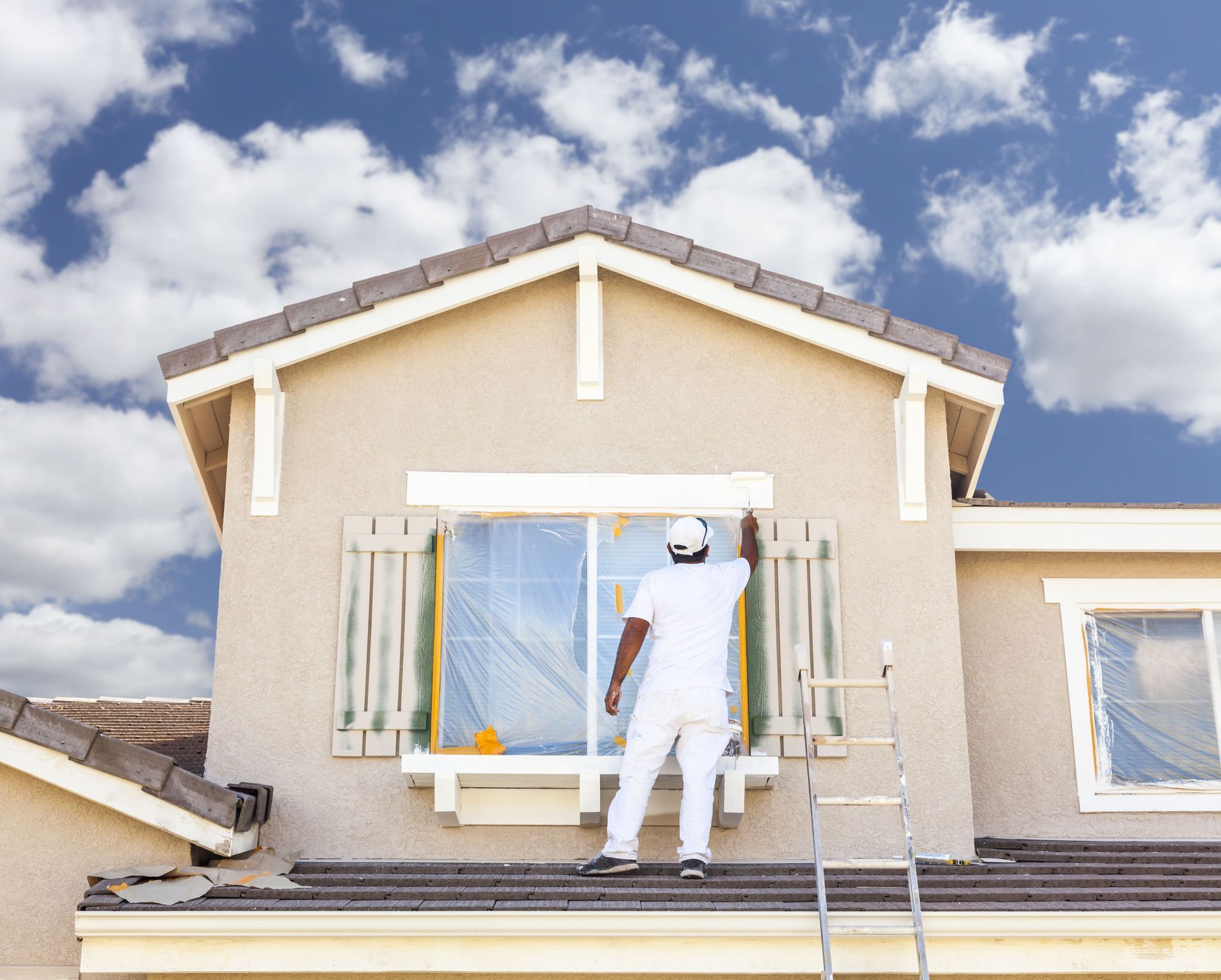
Selecting the right professional to revitalize your home is a decision that impacts both your property's value and your daily peace of mind. A fresh coat of paint is one of the most effective ways to transform a living space, but the quality of the result depends entirely on the skill and integrity of the people behind the brushes. While many individuals consider tackling these projects themselves to save money, the disparity in efficiency and quality is significant. According to House Grail, professional painters can typically complete a residential painting project twice as fast as DIYers. This speed, combined with a superior finish, makes hiring an expert a wise investment.
However, not all contractors are created equal. The market is filled with various service providers, ranging from independent operators to large-scale firms. To ensure your home is in capable hands, you must move beyond the initial price quote and delve into the specifics of their business practices, safety protocols, and technical expertise. Vetting your candidates thoroughly prevents common headaches such as property damage, unfinished work, or unexpected costs. By treating the hiring process as a professional interview, you secure the best possible outcome for your renovation.
In this article, you will discover the 10 essential questions to ask before hiring a painting contractor to ensure you choose the most qualified team for your home.
1. Are You Fully Licensed and Insured?
This is the most critical question to ask any candidate. Professional residential painters should carry both general liability insurance and workers' compensation. Liability insurance protects your property in the event of accidental damage, such as a paint spill on expensive hardwood or a broken window. Workers' compensation is equally vital; it ensures that if a crew member is injured while on your property, the contractor’s insurance covers the medical costs rather than your homeowners' policy. Always ask for a current certificate of insurance rather than taking a verbal "yes" at face value.
2. Can You Provide Recent Local References?
A reputable contractor should have a portfolio of satisfied clients willing to speak on their behalf. When you contact these references, ask specifically about the contractor’s punctuality, cleanliness, and communication style. It is helpful to request references for projects similar in scope to yours. For instance, if you are painting a three-story Victorian home, a reference for a small apartment might not be as relevant. High-quality residential painters take pride in their reputation and will be happy to connect you with homeowners who can verify the durability and beauty of their work.
3. What Specific Preparation Work Is Included?
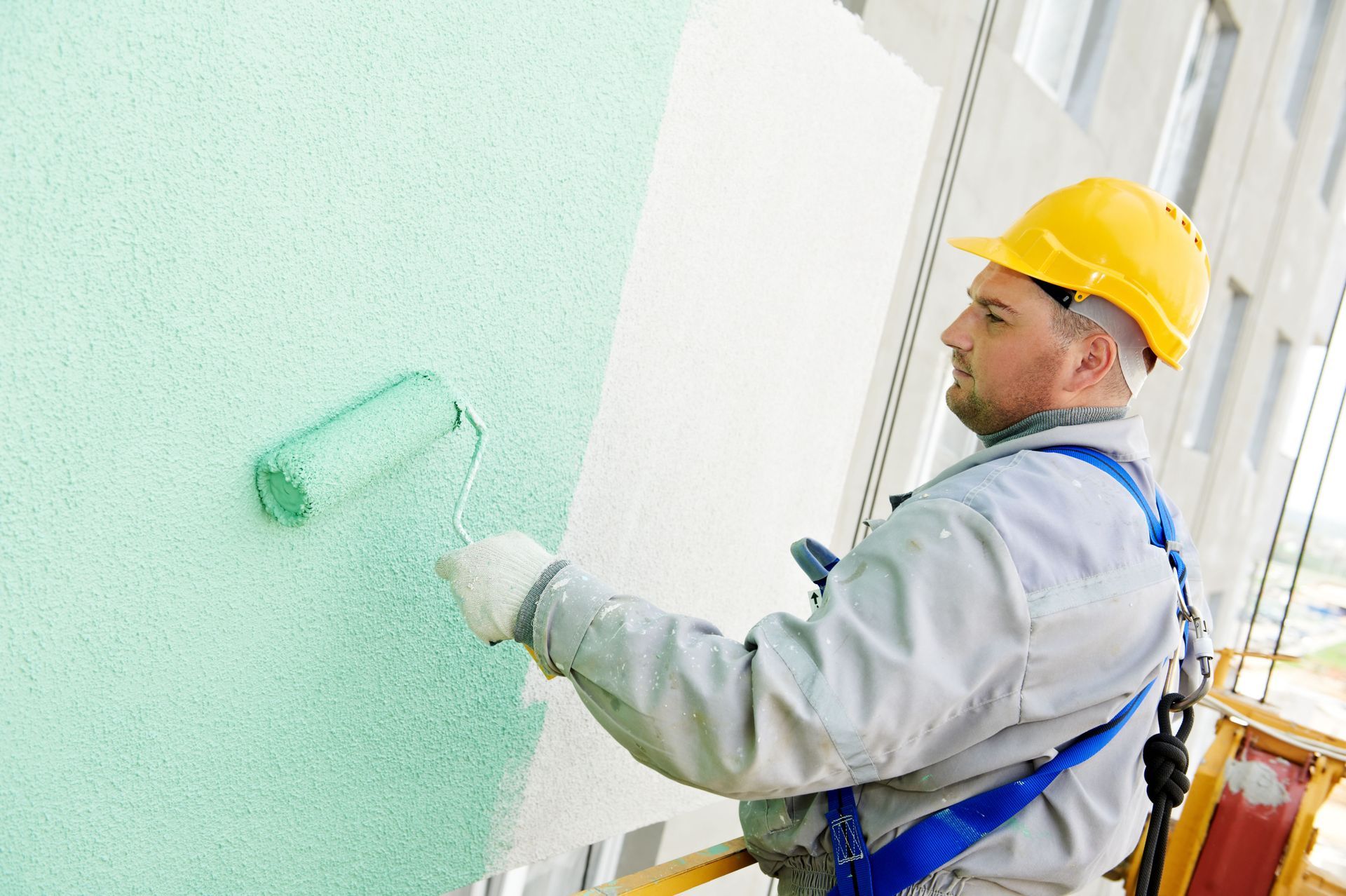
The longevity of a paint job is 90% dependent on the preparation work done before a single drop of paint is applied. You should ask the contractor exactly how they plan to prep the surfaces. Will they be washing the walls to remove oils and dust? Are they scraping away loose paint, sanding rough spots, and filling gaps with high-quality caulk? A low-ball estimate often indicates that the crew intends to skip these labor-intensive steps. Ensure that the written contract specifies that the residential painters will handle all necessary sanding, priming, and patching to ensure a smooth, lasting finish.
4. Who Will Be Supervising the Crew Onsite?
It is common for the person who gives you the initial estimate to be different from the person leading the painting crew. You need to know who your point of contact will be once the ladders arrive. Ask if there will be a dedicated foreman or project manager on-site at all times. Clear communication is essential for a smooth project, and knowing exactly who to talk to if you have a question or concern prevents misunderstandings. Established companies providing residential painters usually have a structured management system to ensure quality control throughout the duration of the job.
5. What Brand and Grade of Paint Do You Use?
Not all paints are created equal, even within the same brand. Most major manufacturers offer several tiers of quality, ranging from "contractor grade" to "premium." You should ask the contractor which specific line of paint they have budgeted for in their estimate. Premium paints have higher pigment loads and better resins, which result in better coverage and a more durable finish that can withstand washing and sunlight. If a contractor insists on using a lower-grade product to keep costs down, it may cost you more in the long run when the walls require repainting sooner than expected.
6. How Will You Protect My Property?
A professional painting project can be messy if not managed correctly. Ask the contractor for their specific plan to protect your furniture, flooring, and landscaping. They should use heavy-duty drop cloths for floors and plastic sheeting for furniture and electronics. If they are working on the exterior, they should explain how they will protect your bushes, flower beds, and walkways from paint flecks and foot traffic. Expert residential painters will treat your home with the same respect they would their own, ensuring that the only evidence they were there is the beautiful new color on your walls.
7. What Is Your Estimated Timeline for Completion?
While professionals are significantly faster than DIY attempts, a quality job still takes time. Ask for a realistic start date and a projected completion date. You should also inquire about their "inclement weather" policy for exterior jobs. A professional contractor will have a clear schedule but will also build in a small buffer for unexpected issues, such as discovering wood rot that needs repair. Understanding the timeline helps you plan your life around the project and ensures the residential painters aren't rushing through the final coat just to move on to the next client.
8. Do You Provide a Written Warranty?
A confident contractor will stand behind their work with a written warranty or guarantee. This warranty should cover both the materials and the labor. While paint manufacturers provide warranties on the product itself, these rarely cover the cost of labor if the paint fails due to poor application. Ask how long the labor warranty lasts and what specific issues it covers, such as peeling or excessive fading. Having this in writing ensures that if a problem arises shortly after the project ends, the residential painters will return to make it right at no extra cost.
9. Can You Provide a Detailed Written Estimate?
Never settle for a verbal quote or a number scribbled on the back of a business card. A professional estimate should be a detailed document that breaks down the costs of labor, materials, and any "extra" services like crown molding repair or wallpaper removal. It should clearly state the number of coats to be applied and the specific areas included in the scope of work. This document protects both you and the contractor by setting clear expectations. When comparing quotes from different residential painters, a detailed estimate allows you to see exactly where your money is going and ensures you are comparing "apples to apples."
Your home deserves a finish that lasts for years, and that begins with choosing the right team for the job. Do not leave the beauty of your residence up to chance or settle for anything less than a verified professional. Contact Randy Wilson Painting today to schedule a detailed on-site consultation and ensure your next project is handled by the most qualified experts in your area.